Mythology

What is a myth?

The word “myth” comes from the Ancient Greek verb “μύω”, meaning “to close”. A myth is therefore a symbolic form of discourse that preserves within it ancient historical memories, knowledge, cultural elements and countless pieces of information that have survived through the passage of time.

Of course, myth is not a fairy tale. What we call mythology today, the ancient Greeks considered their ancient history and treated mythical persons as real, historical figures. For example, how could Alexander the Great, starting his campaign in Asia Minor, visit the tomb of Achilles and offer him a sacrifice, if Achilles were a fairy tale?;

How could the ancient Athenians have founded on their Acropolis the Cecropion and the Erechtheion in honor of Cecrops and Erechtheus, their ancient kings, if they were heroes of the fairy tale like Little Red Riding Hood and Snow White? Mythology, therefore, is not a fairy tale; they are true events that time has dressed up in the costume of a fairy tale. Plato in Timaeus explains to us:

«This is called a myth, but it is true.»

Benefits and Teaching Methods

By learning Greek mythology, children become aware of the treasure of codified knowledge contained in it. Even if we cannot decode this knowledge, children have a lot to gain. While the young students enjoy the beauty and magic of myths, the myths offer them lessons, examples of life and morals, as well as opportunities for reflection. Myths are necessary knowledge in order to understand theater, painting, sculpture, cinema and all forms of art that have created masterpieces inspired by Greek mythology. Above all, however, through mythology, children will become acquainted with their ancient grandfathers, knowing their values, way of thinking and worldview.

Although mythology is an indispensable antechamber of history and contributes greatly to both the education and the morality of children, it is not adequately taught in school. School and extracurricular books contain myths that are incomplete, while they present them in fragments, devoid of any logical connection. In addition, the depictions of mythical figures in these books often distort the forms of gods and heroes, so that in the malleable child's brain and in the sensitive child's soul, images are crystallized that barbarize or resemble caricatures rather than authentic ancient Greek figures. As a consequence of this, children unconsciously form wrong impressions.

For this reason, the mythology book of the ’Hermeion« school has been written with great care, systematic research, responsibility and respect for its subject, drawing its content exclusively from the reliable sources of Orphic hymns, Homeric texts and the great writers of ancient Greek literature (e.g. Hesiod, Apollodorus, Strabo, Pausanias, Plutarch and others).

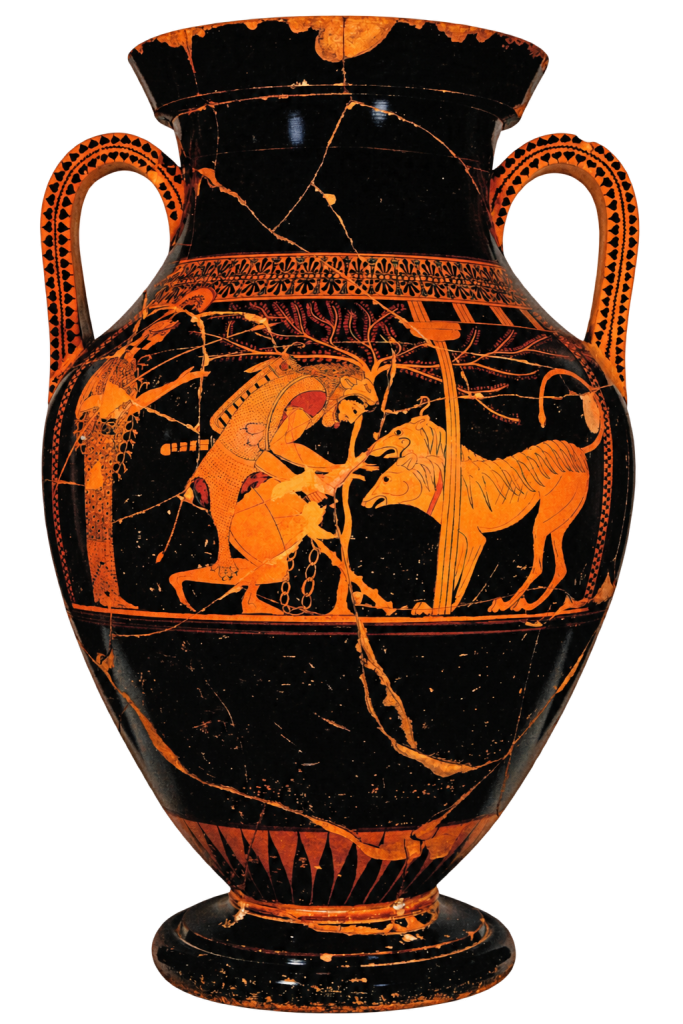
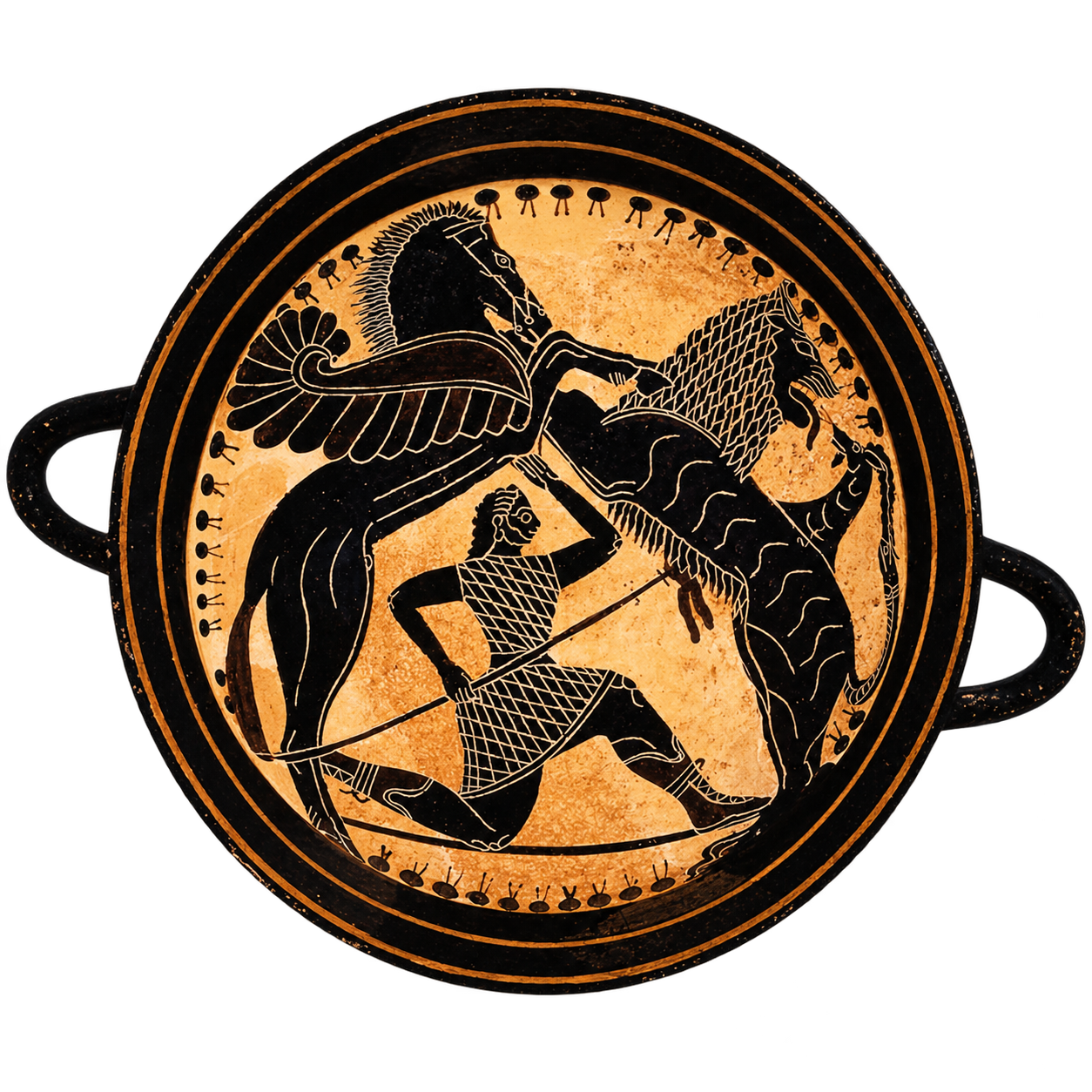
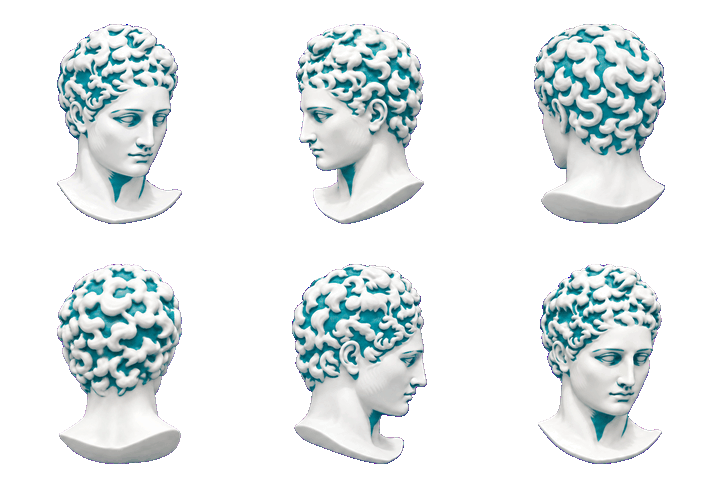
The mythological material is organized chronologically and causally, omitting many variations, so that it becomes easily understood, commemorated and enjoyable for children. The text of the book is supported by excerpts from ancient Greek texts, mainly Orphic hymns, which children learn to understand, memorize and recite, strengthening their linguistic and mnemonic abilities, while at the same time ascertaining the continuity of the Greek language from the depths of the centuries to the present day. The course is framed by maps, images of buildings and monuments, abundant images of statues, figurines, complexes, reliefs, vase paintings and a multitude of other works of incomparable beauty of ancient Greek art. In this way, children better perceive mythical events, become familiar with authentic works of art, observe them, recognize them and comment on them, cultivating their aesthetic criterion. Above all, however, they know the forms of mythical figures, exactly as their creators created them.
Summing Up

Finally, Hermeion aspires through mythology lessons to impart to children knowledge about neglected and unknown aspects of the past, inspiring in the tender children's souls curiosity, love of learning and love for myths, so that children can later and on their own research the ancient sources and... who knows...

Perhaps Hermeion will create tomorrow's researchers and scientists who will translate the Phaistos Disc, decipher Linear Script A, understand how the pyramids were built and what they symbolize, and answer so many unanswered questions that still remain.